Plan cuts around the fiber
Shape and dimensions can be reviewed to improve usable yield from natural material.
Our own growing fields and factory connect agricultural knowledge with B2B material preparation and custom manufacturing.
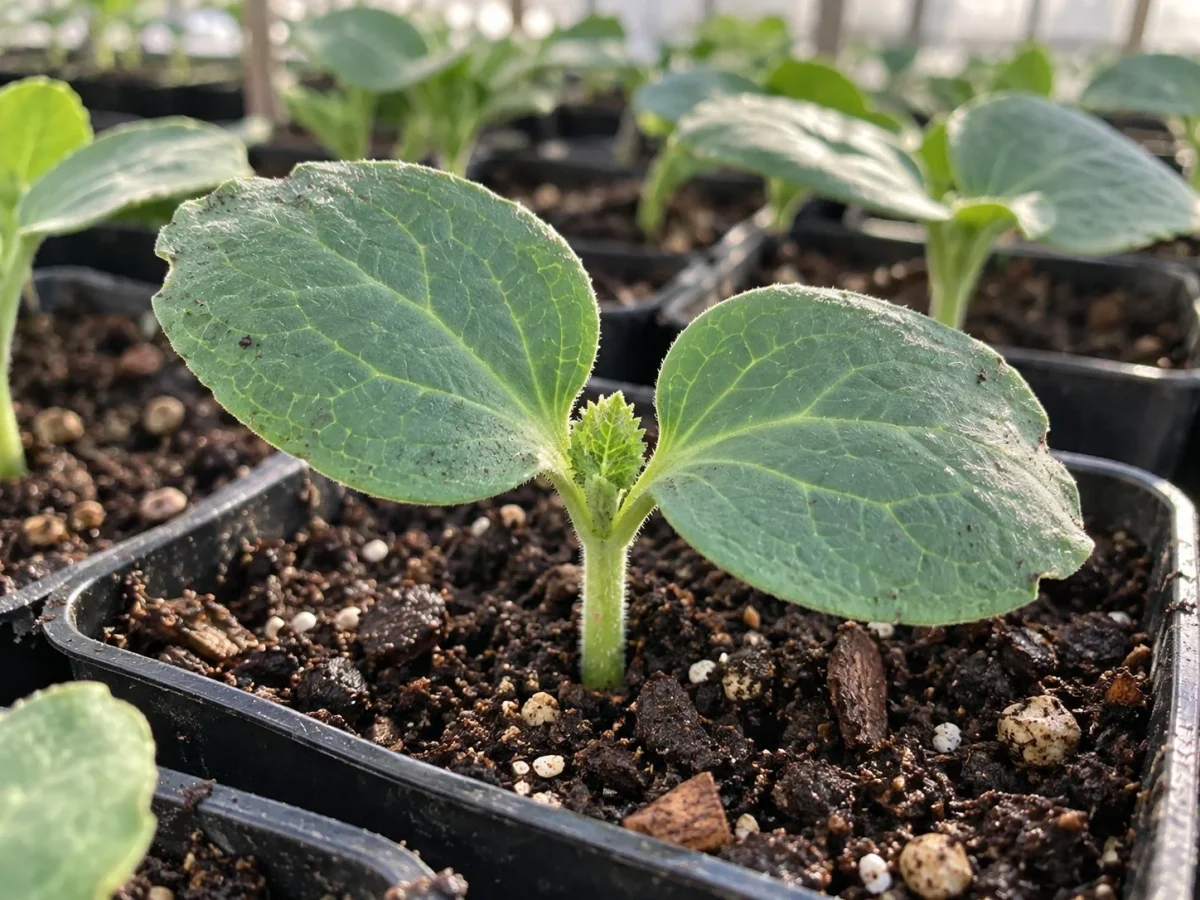
Loofah is an agricultural material. Variety, growing conditions, maturity and drying all influence the final fiber network.
Operating our own planting base gives us direct understanding of the crop and helps us select material for semi-finished preparation and custom projects.
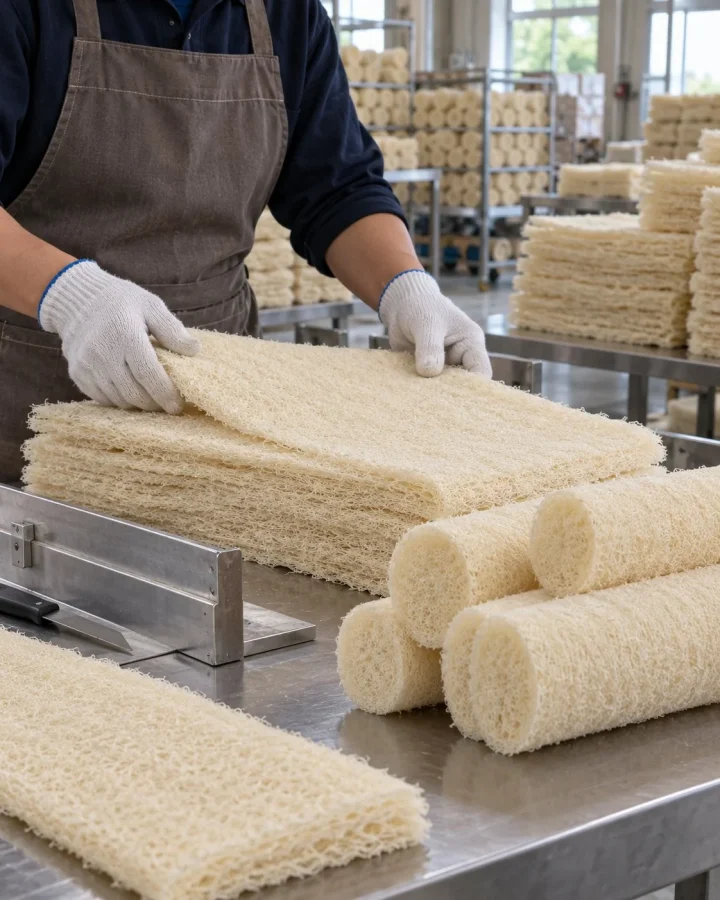
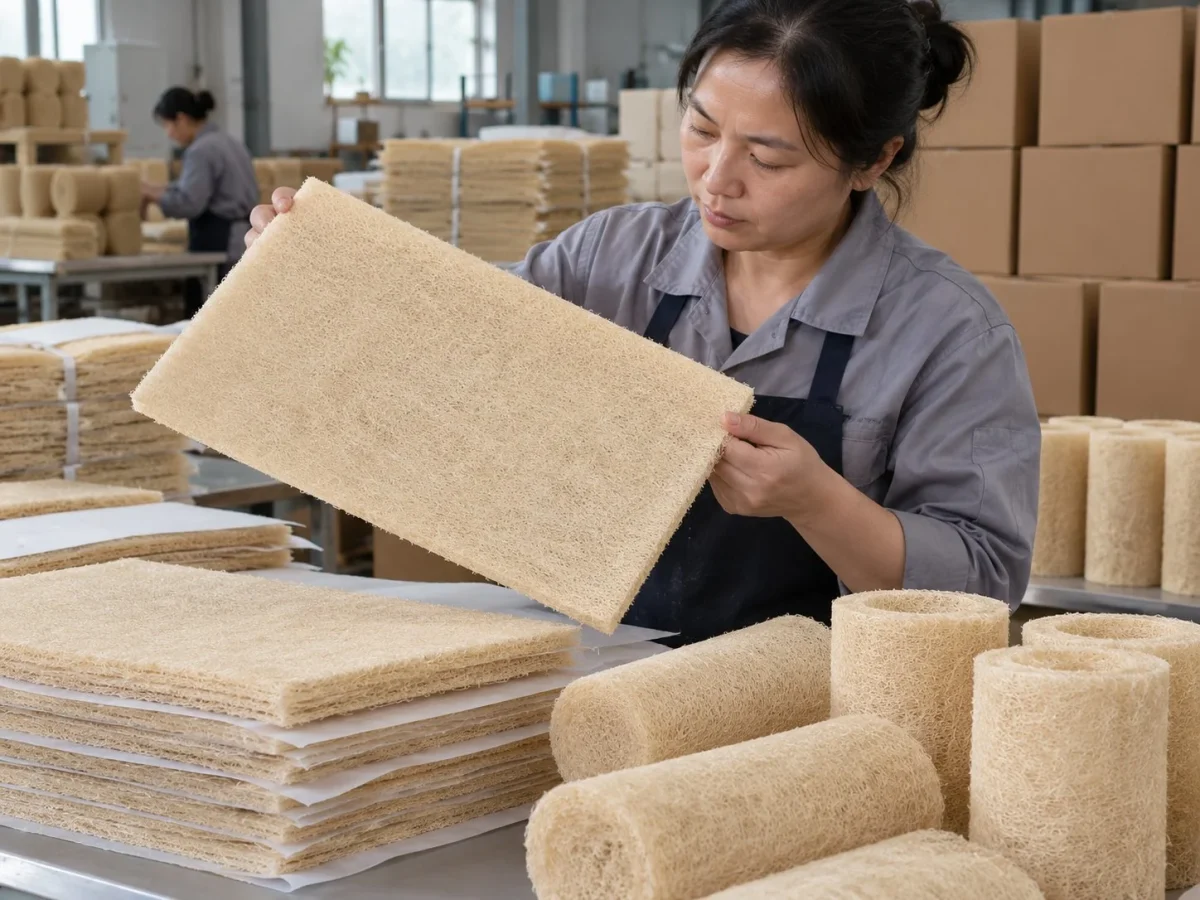
The factory prepares the fiber for practical B2B use through cleaning, drying, sorting, trimming, cutting and packing.
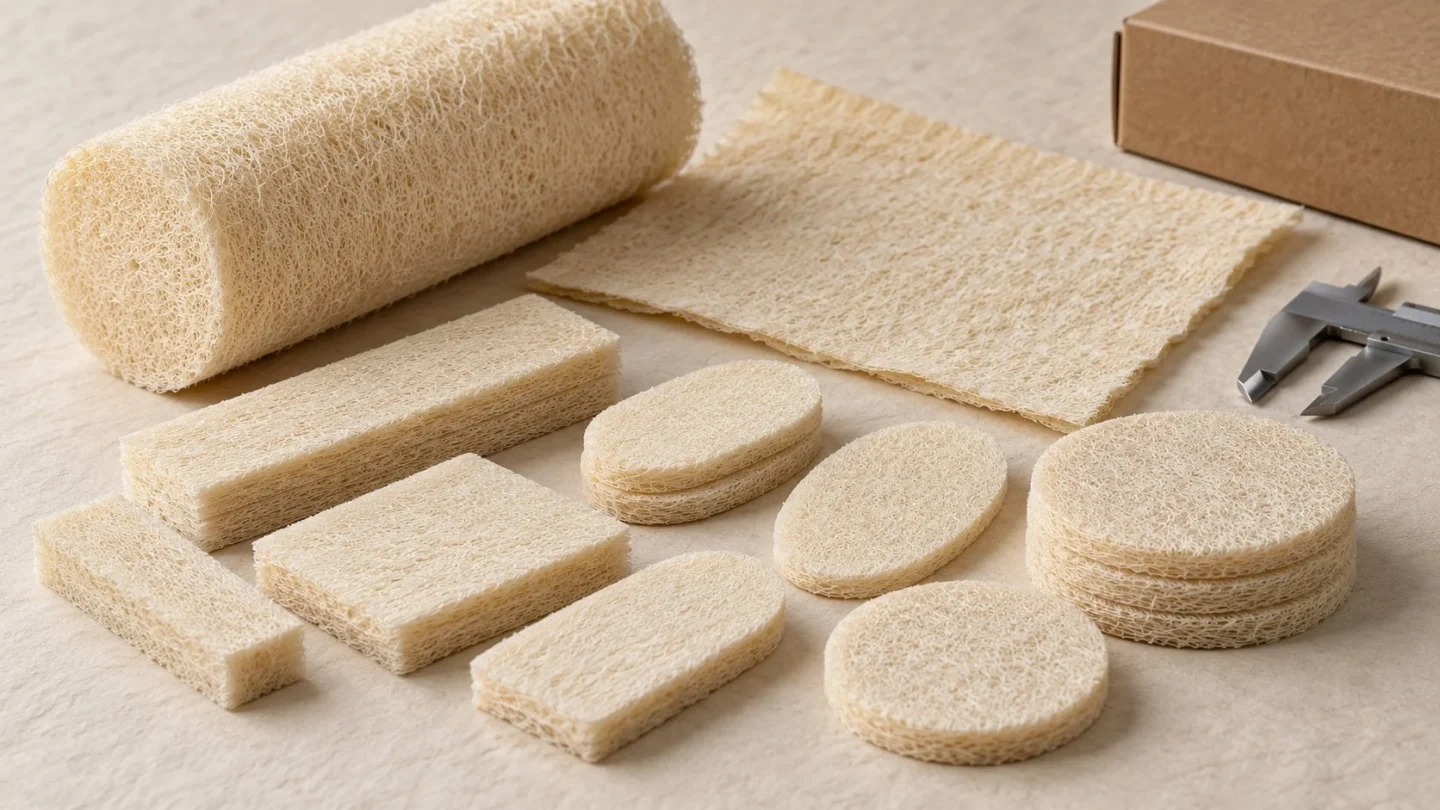
For custom projects, additional shaping, assembly and packaging steps are discussed against an approved sample and commercial brief.
Cultivation, preparation and inspection connect the living plant with a practical semi-finished input.
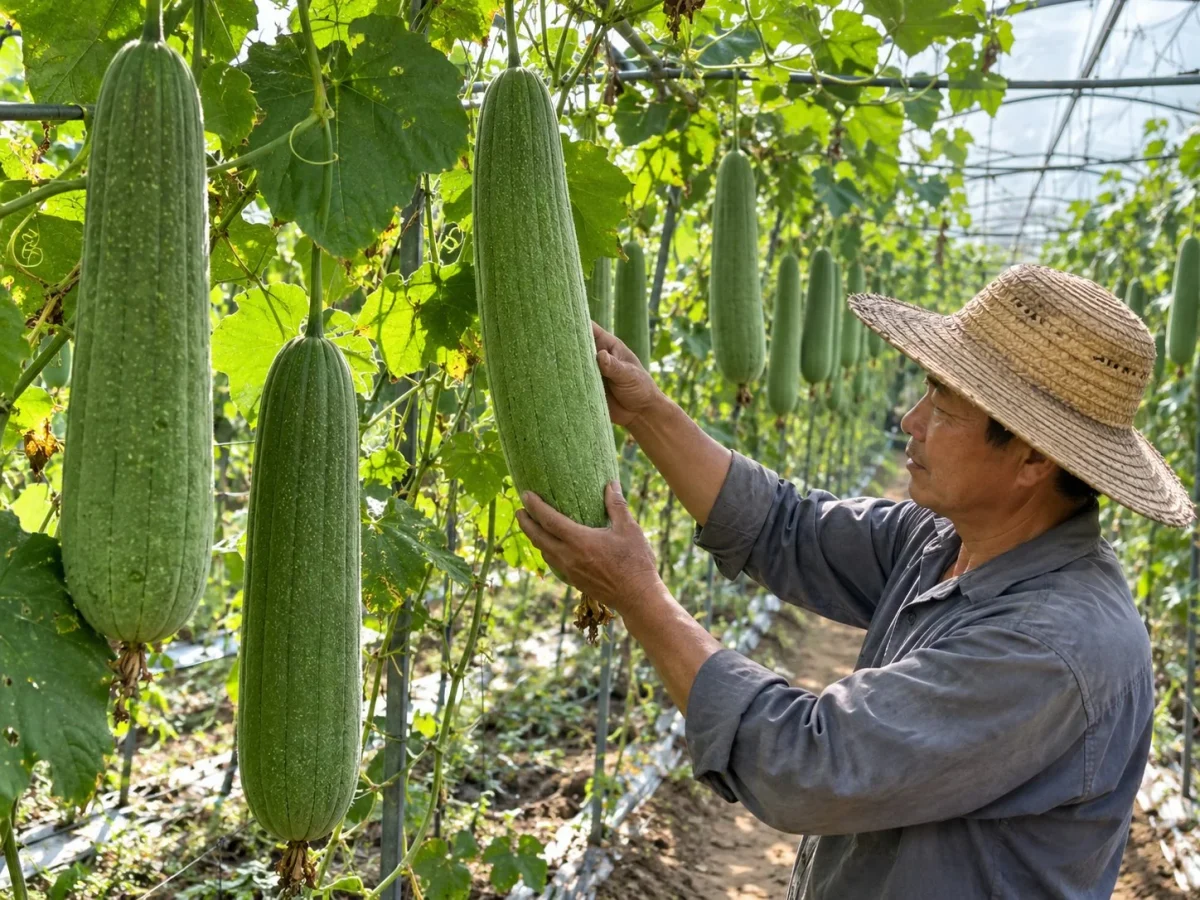
Loofah vines are cultivated and monitored on our planting base.
Mature fruit is selected when the internal fiber is ready for preparation.
The outer material is removed to reveal the natural internal network.
Seeds and loose material are removed before fiber is grouped for use.
The loofah is cut, shaped or packed according to the agreed B2B requirement.
We do not treat plant fiber like molded plastic. Instead, we agree which characteristics matter to the product and use samples or practical ranges for comparison.
| Review area | What naturally varies | How we work with it |
|---|---|---|
| Size | Length, diameter, wall thickness and usable area | Sort, trim and prepare around an agreed range |
| Fiber network | Openness, density, firmness and flexibility | Review the intended application and comparison sample |
| Appearance | Natural color, minor marks and surface character | Define what affects function and what is acceptable natural variation |
| Preparation | Cut edge, shape recovery and flatness | Confirm the next production step and packing method |
| Cleanliness | Loose plant material and remaining seed fragments | Agree inspection priorities for the ordered format |
| Packing | Volume, compression and shape protection | Balance freight efficiency with material recovery needs |
Shape and dimensions can be reviewed to improve usable yield from natural material.
We avoid adding processing steps that do not support the buyer’s final product.
Where possible, simple and separable additions help preserve the material’s eco-conscious value.
Bulk packing is planned around protection, volume and the receiving factory’s workflow.
Tell us whether you need semi-finished loofah or a custom product.